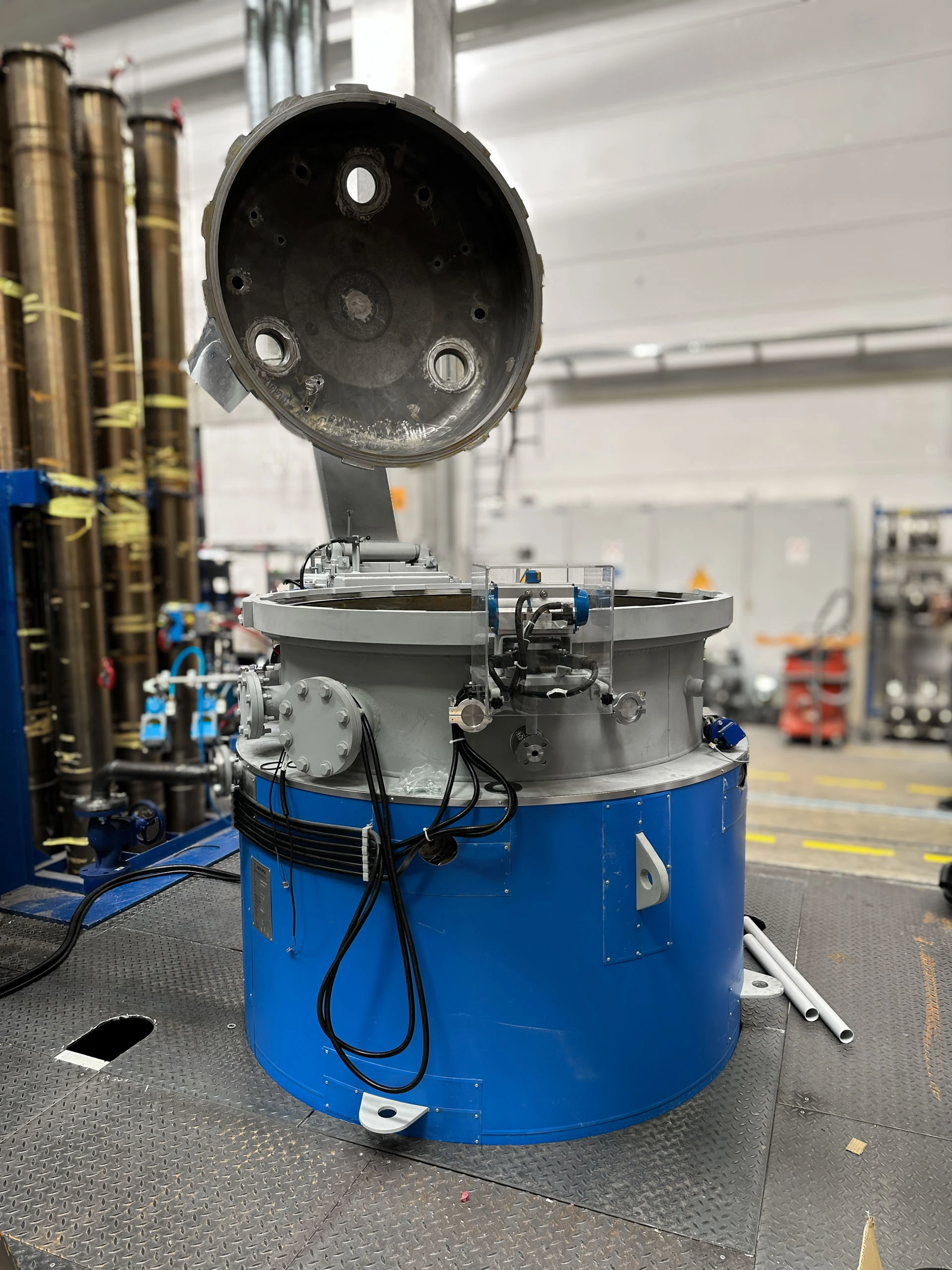
Autoclave Control
Custom PLC control and HMI system for industrial autoclave processes with precise temperature, pressure and vacuum regulation over long process cycles.
- EPLAN
- TIA Portal
- WinCC Unified
- OPC UA
- Siemens S7
- Germany
- China
- USA
Project Description
A complete control and visualization solution was developed for an industrial autoclave to run complex thermal and pressure-based processes automatically. The goal was a safe, reproducible process that remains stable over long periods in continuous industrial operation.
The Initial Situation
Our customer planned the construction and expansion of an autoclave facility for performing complex thermal and pressure-based processes.
The Challenge
The requirements were particularly demanding:
- Control of a single large autoclave with 1.8 m diameter and 8 m height
- Precise regulation of temperature, pressure and vacuum across long process cycles (in some cases several days)
- Integration of numerous components such as heating and cooling systems, vacuum pumps and complex valve technology
On top of that, a safe, reliable and at the same time flexible control system had to be created, capable of executing different process recipes.
The Solution
Custom control and automation solution
For this project we developed and implemented the complete electrical and software-side control – from planning to commissioning.
The scope of services included:
- Development of detailed wiring diagrams
- Design and manufacture of the control cabinets
- Complete wiring and integration on site at the customer
- Development of the PLC software including process logic and visualization
- Continuous consulting throughout the entire project
The control is based on a central PLC concept that can manage both individual autoclaves and several units in parallel.
Result
Since commissioning, the autoclave has been running continuously with process cycles of several days. Recipes are created and executed at the HMI without anyone having to intervene during the cycle.
The control system is designed so that further autoclaves can be connected to the same central PLC. Process data is available to higher-level systems via OPC UA.
System design and key capabilities
Complex process control in practice
The challenge was particularly in the precise control of the various process phases, which can vary depending on the application.
Typical process steps include:
- Evacuation (vacuum build-up)
- Heating and tempering
- Hold phases at defined temperatures
- Pressure build-up and regulation
- Cooling processes
These sequences are entirely controlled via a recipe system. Parameters such as temperature curves, pressure profiles and time intervals can be flexibly defined and executed automatically.
The process logic stored in the system ensures that each step is only continued once defined conditions ("Q-Gates") are fulfilled – for example, reaching certain temperature or pressure values.
Value for the customer
The new control solution delivers decisive advantages:
- Fully automated process sequences with high repeat accuracy
- Maximum process safety through extensive monitoring mechanisms
- Flexible recipe control for different applications
- Scalability to multiple autoclaves
- Future-proof system architecture with open interfaces
- More efficient commissioning and maintenance through structured electrical engineering
Intelligent system architecture
The solution was designed as a scalable overall system:
- Central PLC for controlling all processes
- Distributed units per vessel for sensors and actuators
- Integration of temperature controllers, pumps and valves via industrial interfaces
- Communication via standardized protocols (e.g. PROFINET, OPC UA)
This makes both the operation of a single autoclave and the expansion to multiple units easily possible.
User-friendly operation & maximum safety
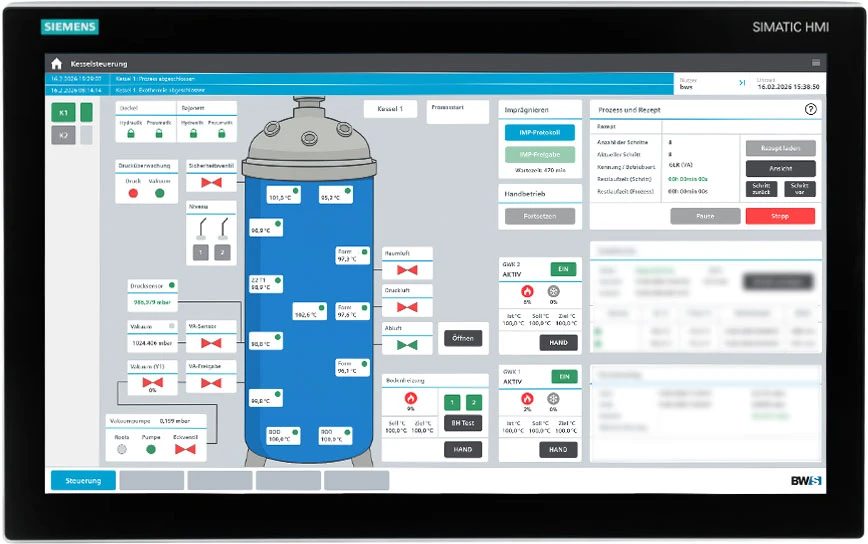
Operation takes place via a modern HMI that visualizes all relevant process data in real time:
- Temperatures and pressure curves
- Active process phases
- Status of valves, pumps and sensors
- Alarm and error messages
In addition, a role-based user concept was implemented to ensure that only authorized personnel can make critical changes.
Special focus was placed on the safety mechanisms:
- Emergency stop systems with immediate halt of all processes
- Monitoring of pressure and temperature limits
- Locking systems for the vessel lid
- Fail-safe states in case of errors
More projects
From a PLC retrofit to a software platform of our own. The following projects show how varied the tasks are in practice.
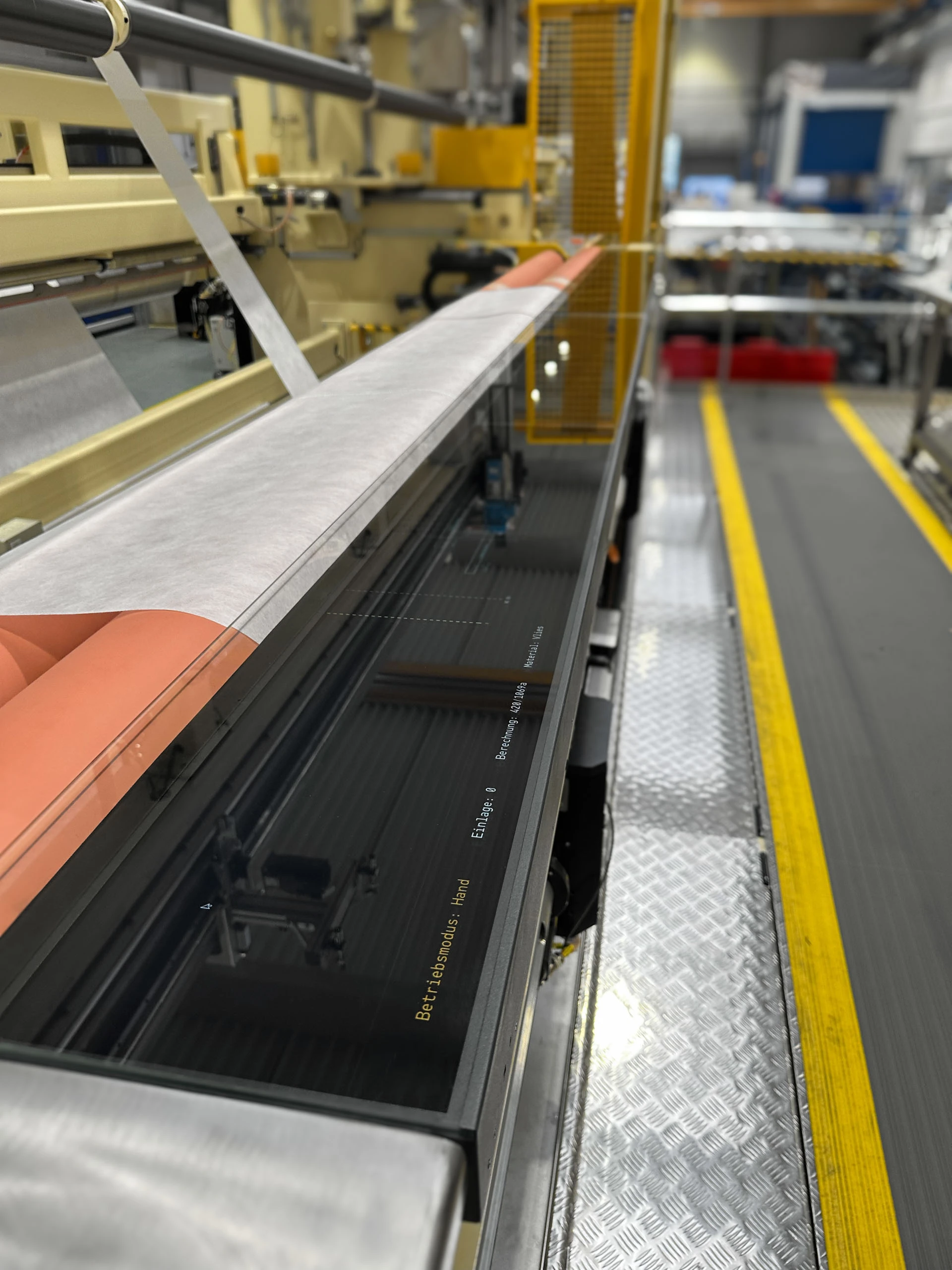
- PLC Integration
- Software Development
- HMI Visualization
Digital Schematic Display System
Custom digital display and control solution as a replacement for paper-based production plans. Fully integrated with PLC systems and custom hardware components.
View Project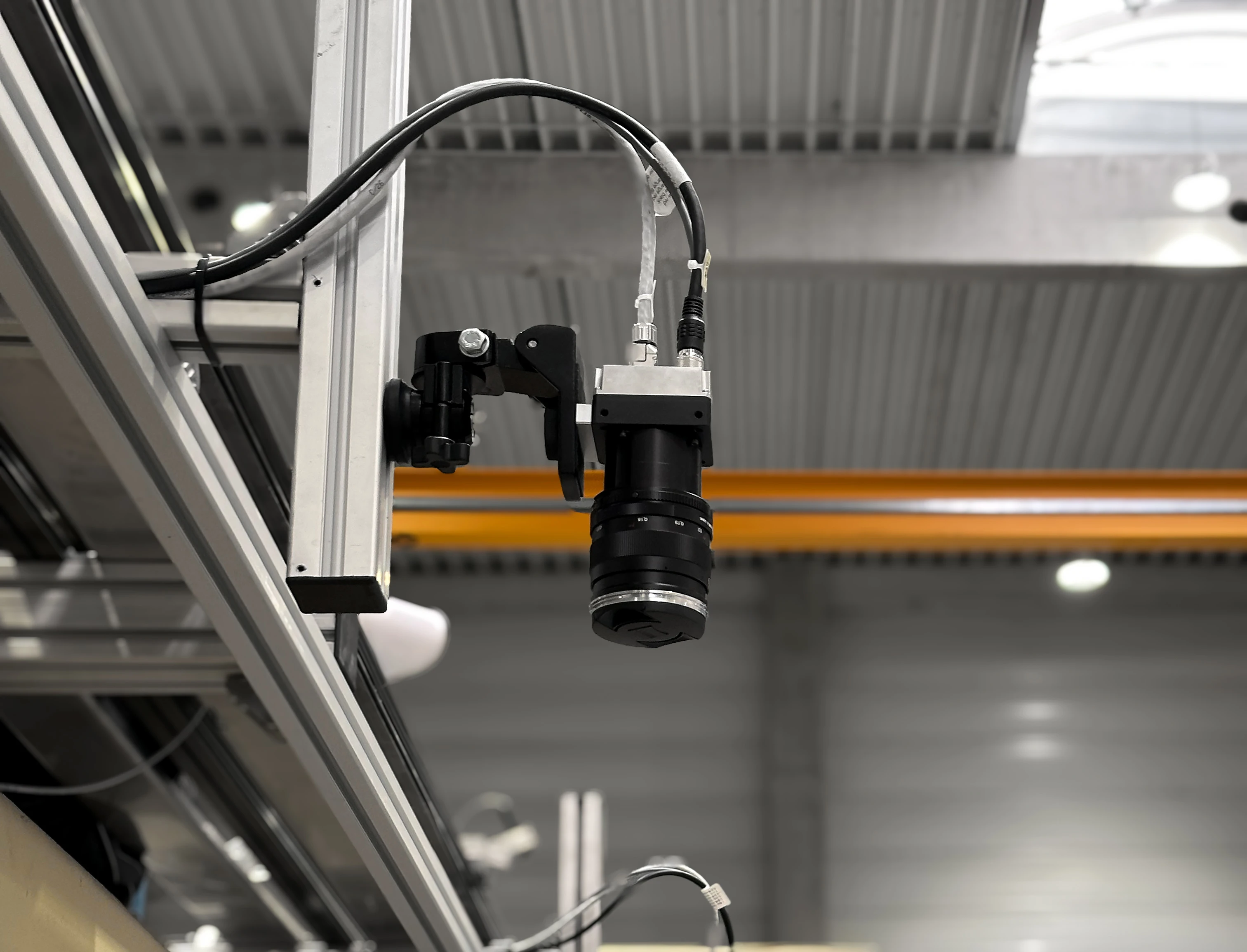
- Machine Vision
- Line Scan Cameras
- Image Processing
Industrial Vision System
Custom vision system for automated real-time monitoring of continuous production processes. Fully integrated with machine controls, camera technology and industrial image processing.
View Project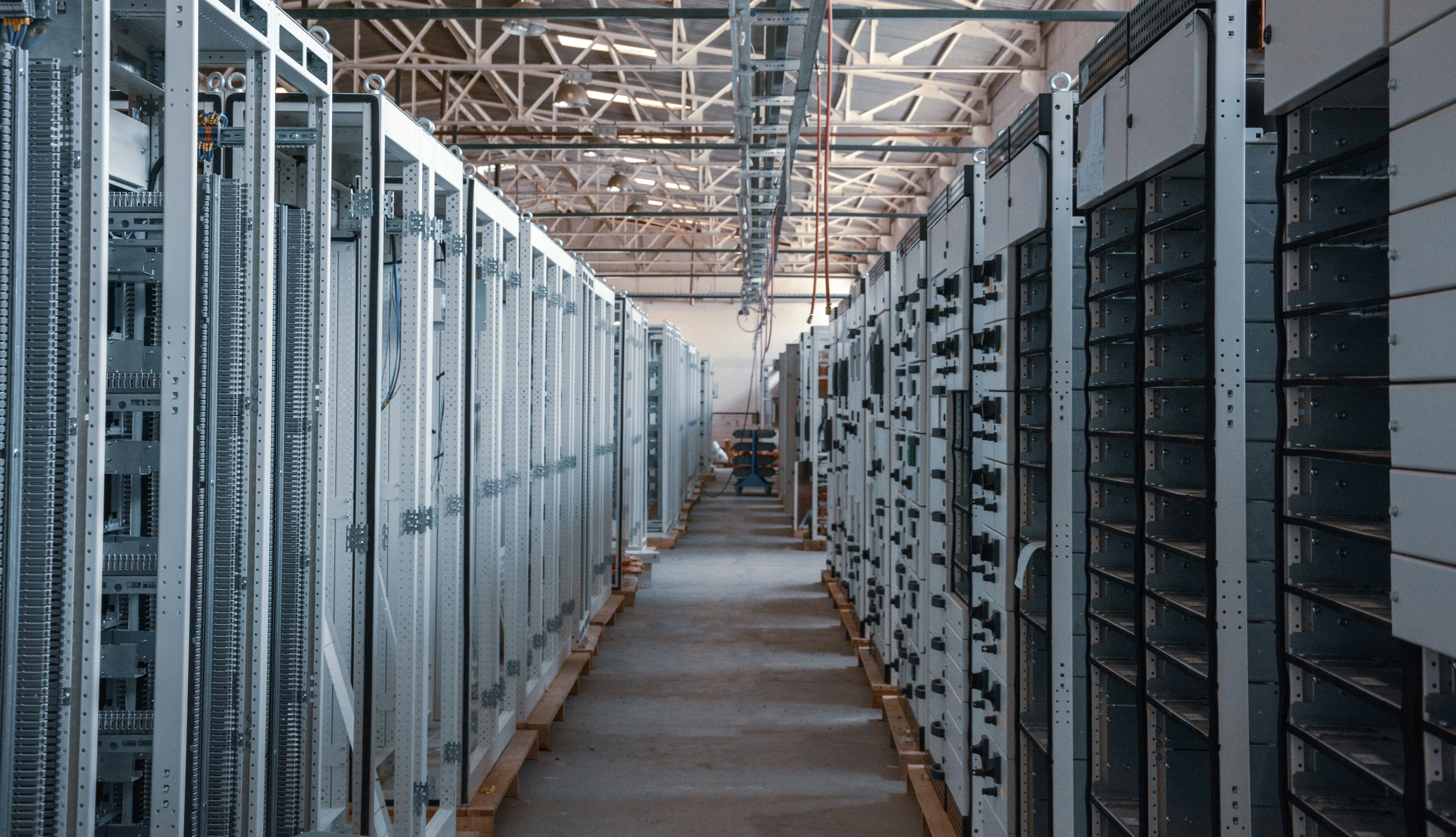
- Modbus
- OPC UA
- SQL
Industry Data Connector
Custom integration platform for centrally connecting machines, control systems and IT systems. Fully integrated with industrial communication protocols and existing production infrastructure.
View ProjectDo you have a project in mind?
Tell us briefly what it is about and what is not working today. We will get back to you with questions or an initial assessment of whether and how we can help.

Electrical engineering and software for industry and production. From Cologne.